Corporate Social Responsibility

At NSL Group, Corporate Social Responsibility is an integral part of our commitment to responsible growth. Through sustained initiatives implemented across India, the organisation focuses on improving community well-being, supporting rural livelihoods, and protecting natural resources.

Over the past five decades, NSL Group has empowered 2,50,000 farmers across 15 states, strengthening agricultural ecosystems and rural economies. Through partnerships with community organisations and the Mandava Foundation, the group continues to support programs that create measurable and lasting social impact.

In the last three years alone, NSL’s CSR initiatives, positively impacting more than 1,57,000 beneficiaries across multiple development sectors.

Programme Impact

5523+
EDUCATION
66988+
HEALTH
250000+
AGRICULTURE
60736+
LIVEHOODS
7911+
WOMEN EMPOWERMENT

Focus Areas & Initiatives

NSL Group’s CSR programs are designed to address key social and environmental priorities through targeted interventions.
Agriculture

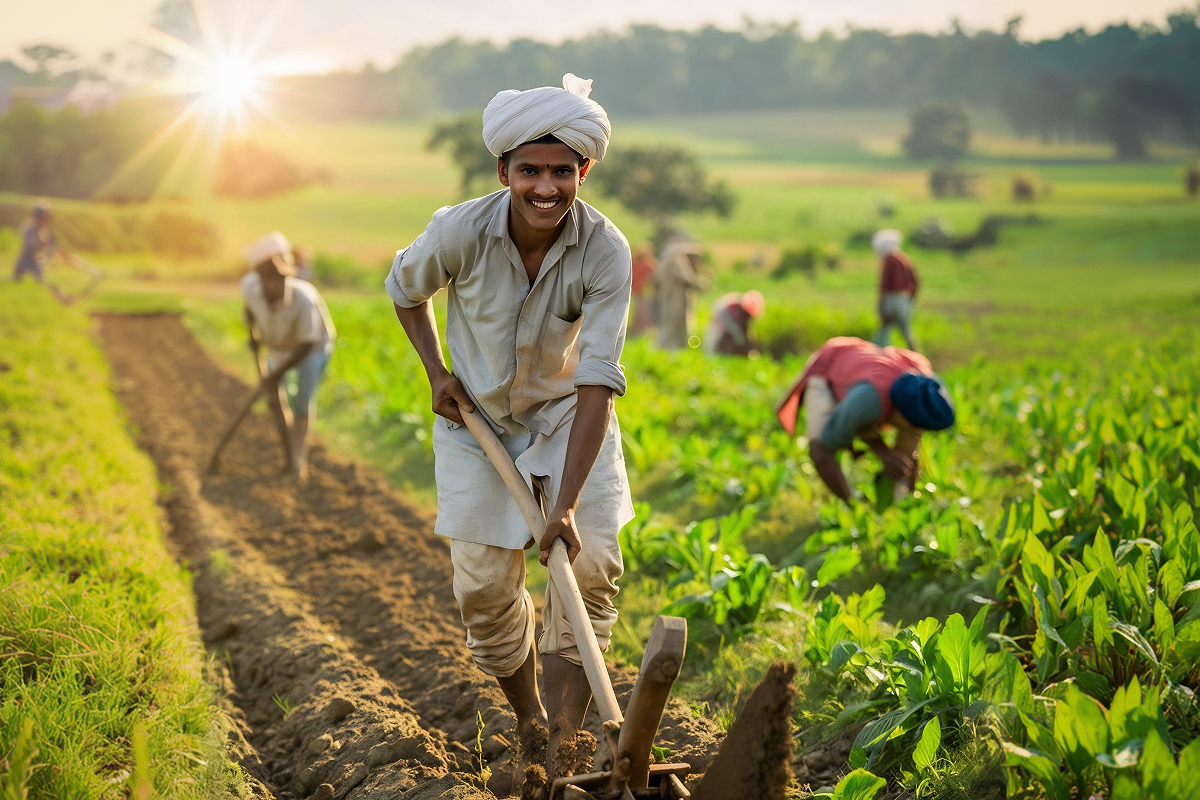
Agriculture & Farmer Empowerment

Supporting farmers through training, improved agricultural practices, and initiatives that enhance productivity and rural livelihoods.
Impact: 2,50,000 + beneficiaries
Agriculture
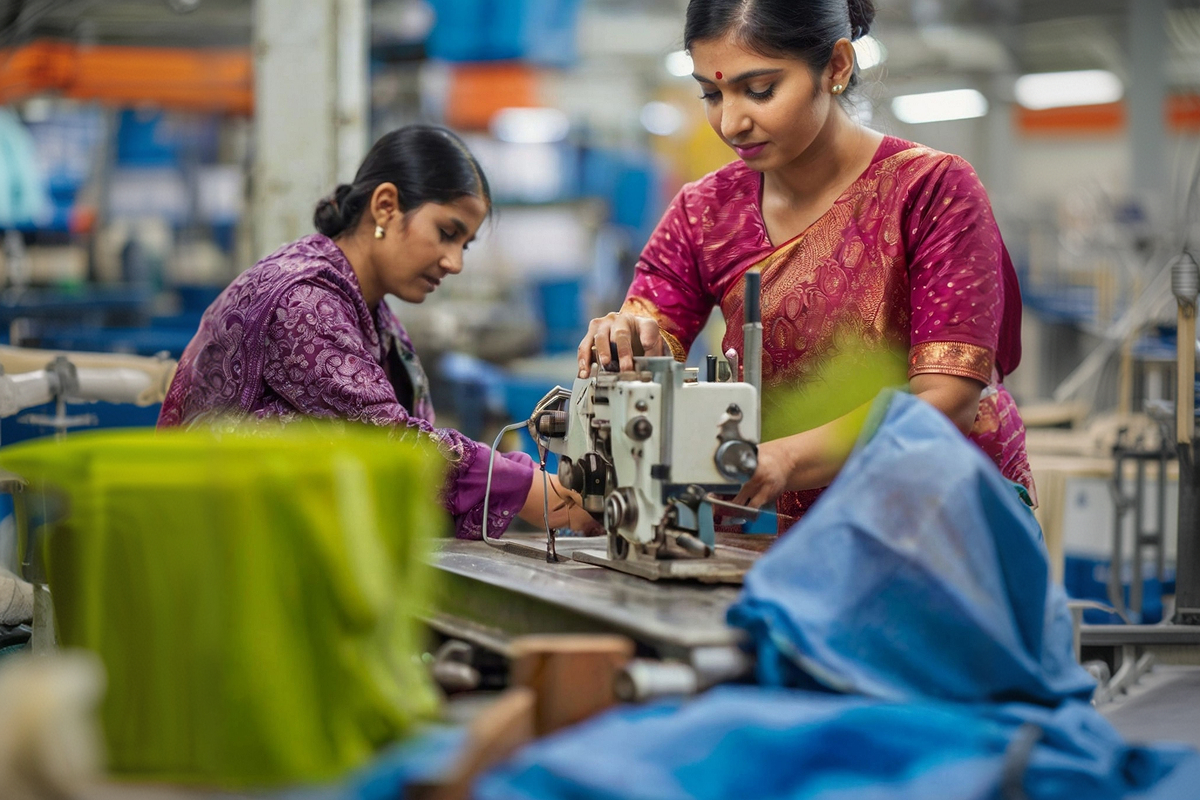
Women Empowerment

Women Empowerment

Women Empowerment

Creating opportunities for women through employment support, entrepreneurship programs, and community participation initiatives.
Impact: 7911 + beneficiaries

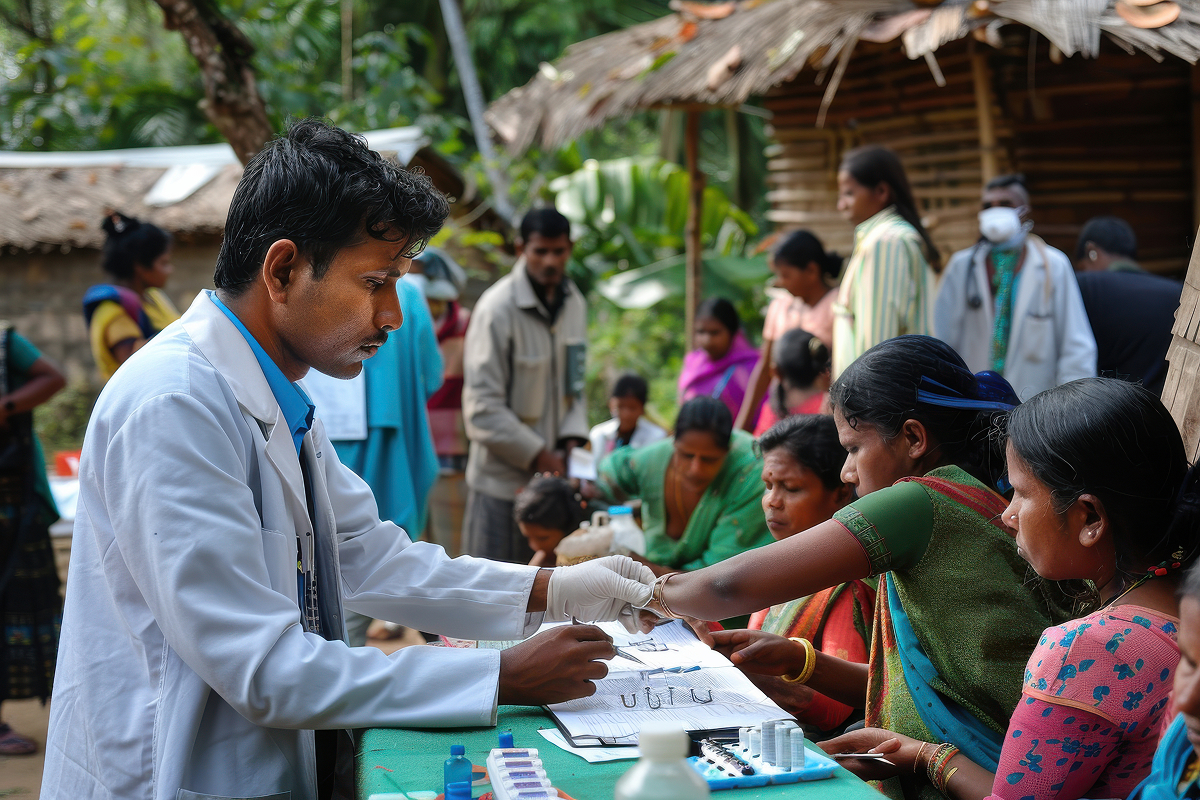
Health

1. Health Care & Nutrition

Organising medical camps, providing healthcare assistance, and supporting nutrition initiatives to improve community health..

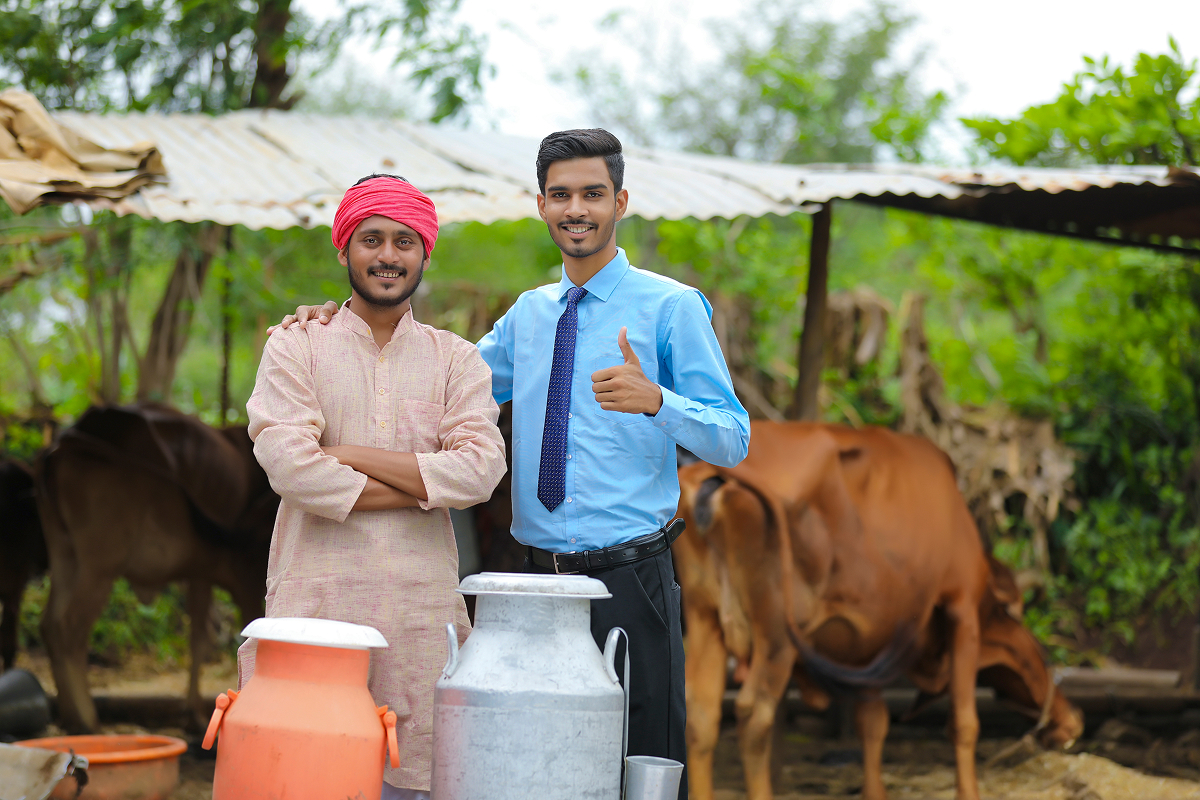
2. Veterinary Support

Providing veterinary services and animal health camps to support livestock-dependent rural communities.

3. Safe Drinking Water

Installing water purification systems and improving access to clean drinking water in rural communities and schools.
Impact: 66988 + beneficiaries
Health
Livelihoods

Livelihoods

1. Rural Development

Strengthening rural communities through infrastructure development, local support programs, and initiatives that improve living standards.

2. Child Care

Supporting child welfare through healthcare assistance, nutrition programs, and initiatives that safeguard the well-being of children.

3. Livelihood Creation

Supporting individuals in establishing small enterprises and income-generating activities to build sustainable livelihoods.

4. Employment Generation

Creating employment opportunities for local communities and supporting unskilled labour through various initiatives.

5. Sports & Cultural Promotion

Encouraging sporting talent and supporting cultural initiatives that preserve traditional art forms and community heritage.

6. Environmental Sustainability

Promoting environmental protection through initiatives such as afforestation, soil health improvement, and sustainable practices.

7. Disaster Relief

Providing relief assistance to communities affected by natural disasters, including floods and droughts.

8. Hunger-Free Initiatives

Supporting food distribution programs that help address hunger and food insecurity in vulnerable communities.

9. Infrastructure Development

Supporting the development of community infrastructure such as public facilities, educational spaces, and social institutions.
Impact: 60736 + beneficiaries

Education

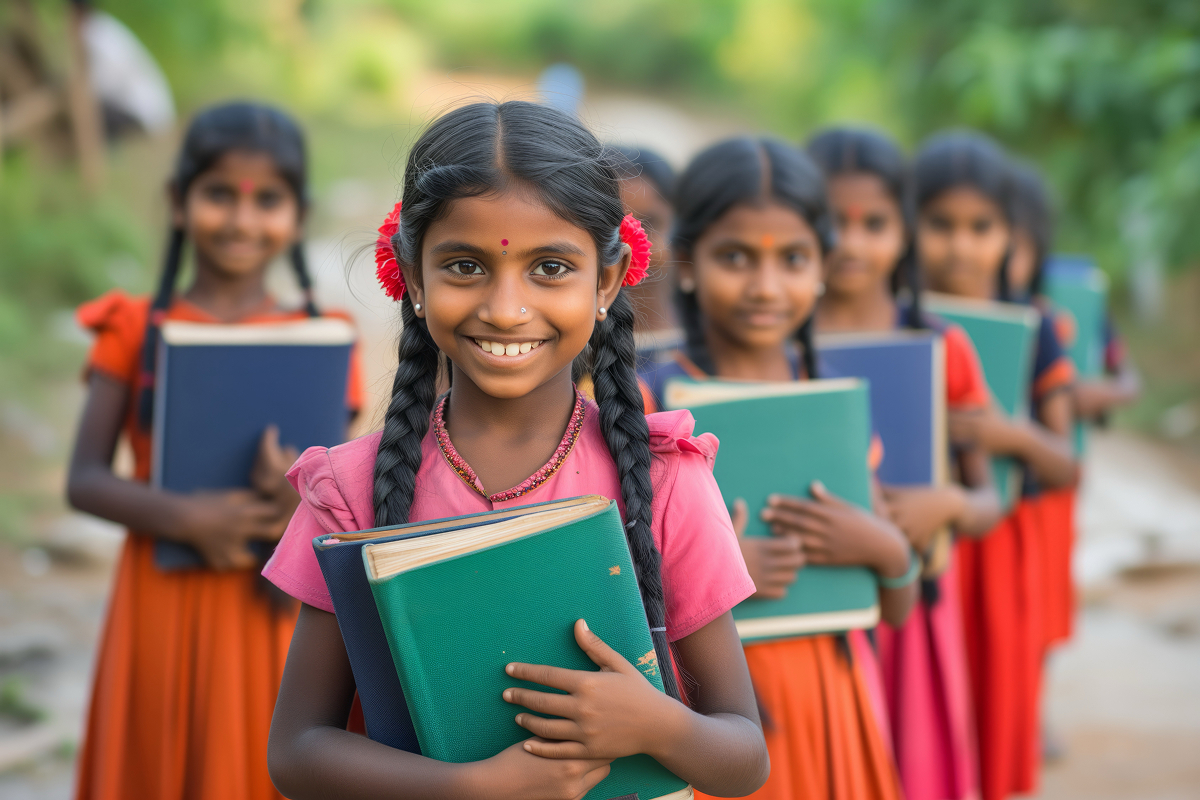
1. Education Support

Providing scholarships, educational resources, and infrastructure to help students from underserved communities continue their academic journeys.

2. Skill Development

Offering vocational training programs that equip individuals with practical skills for long-term employment.
Impact: 5523 + beneficiaries
Education
Zero Liquid Discharge – NSL Textiles

Zero Liquid Discharge – NSL Textiles

At the Chandole textile manufacturing unit, NSL Textiles has implemented Zero Liquid Discharge technology, ensuring that wastewater generated during processing is treated, recycled, and reused within the facility. This advanced system significantly reduces freshwater consumption while preventing untreated industrial discharge into the environment.

Sustainable Impact: Key Benefits

Implementing Zero Liquid Discharge enables both environmental responsibility and operational efficiency through:
  • Prevents water pollution effectively.
  • Recycles up to 90% wastewater.
  • Reduces freshwater resource dependency.
  • Ensures strict environmental compliance.
  • Promotes sustainable textile manufacturing.
Impact: 60736 + beneficiaries

Lake Rejuvenation

Khajaguda Lake Eco-Park has been developed as a sustainable urban ecological reserve, focused on restoring natural biodiversity, improving groundwater recharge, and creating a thriving habitat for pollinators, birds, and native species, towards comprehensive lake rejuvenation.

Ecological Community Impact

Strengthening ecological balance while creating a sustainable and inclusive urban natural habitat through:
  • Enhances groundwater recharge and stabilises the local ecosystem.
  • Supports pollinators, including honey bees, in a chemical-free environment.
  • Sustains over 25,000 trees and diverse native plant species.
  • Provides a habitat for migratory birds and local biodiversity.
  • Promotes natural soil regeneration through alternative sustainable practices.
  • Creates a serene, inclusive space for community interaction and well-being.
Lake Rejuvenation

Voices from the Communities

Beneficiaries share how CSR initiatives have improved livelihoods, health, and long-term financial stability.