

Flyovers, Highways, and Home Values: Understanding East Hyderabad’s Infrastructure Boom

For years, Hyderabad’s growth has been closely tied to infrastructure. Every new flyover, widened highway, and metro extension has quietly reshaped how the city lives, works, and invests. As Hyderabad expands beyond traditional boundaries, infrastructure has become the single biggest driver of home values.
Today, Hyderabad is experiencing an infrastructure-led transformation. Large-scale public investments are redefining connectivity, opening new residential corridors, and creating opportunities for homebuyers and investors. This shift is especially visible in East Hyderabad, where development momentum is accelerating rapidly.
Hyderabad’s Infrastructure Boom: What’s Driving the Change
Hyderabad is witnessing coordinated development across road, rail, metro, and regional connectivity. Flyovers are easing congestion, highways are reducing travel time, and metro expansions are making public transport more reliable. This integrated infrastructure planning is changing how people evaluate locations. Areas that once felt distant are now well-connected and desirable, driving property demand and home values upward.
East Hyderabad: Where Infrastructure Meets Opportunity
While West Hyderabad experienced rapid growth over two decades, development has now shifted eastward—driven by government planning and long-term vision. East Hyderabad is emerging as a key growth corridor with strong infrastructure fundamentals.
Uppal has become a gateway to this transformation. Metro lines, new flyovers, and improved arterial roads are connecting East Hyderabad seamlessly with the rest of the city. What was once peripheral is steadily becoming central to Hyderabad’s urban fabric.
Flyovers and Highways: Direct Impact on Home Values in Hyderabad
Flyovers play a critical role in improving daily life in a growing city. In Hyderabad, ongoing and upcoming flyover projects are helping decongest major junctions and create smoother travel corridors. One of the most significant developments in East Hyderabad is the Uppal–Narapally Elevated Corridor, which will offer faster access to the Warangal Highway.
Project Highlights: Currently targeted for completion by Dasara 2026 (October), this 6.2-km to 8-km six-lane flyover will be Telangana’s second-longest after the PVNR Expressway. Designed for speeds up to 100 kmph, it’s expected to save commuters 25 minutes. The project, which began in 2017, is now roughly 50% complete, with work accelerated under a new contractor using 24/7 shifts. Interim relief includes high-quality BT road resurfacing on a 5.5-km ground-level stretch.
Additional Local Projects:
Uppal–DSL Mall Flyover: A 1.4-km flyover to ease congestion near the mall
Uppal Junction Parallel Flyovers: Two additional flyovers planned to bypass the junction for LB Nagar-bound traffic
Service Roads: A 150-foot-wide, four-lane service road beneath the corridor for local connectivity
Highway Connectivity
Beyond flyovers, highway access is a major value driver. The Regional Ring Road (RRR) — a 340-km expressway circling Hyderabad — is in early construction phases, with the northern segment (Sangareddy to Choutuppal) expected to begin in late 2025/early 2026. This will create seamless connectivity between East and West Hyderabad, linking Uppal to key western zones like Gachibowli, HITEC City, and the Financial District via the ORR and RRR network.
Additionally, the Musi River Radial Road (16 km) will connect Warangal highway traffic directly to the ORR at Gowrelli, while new HMDA-designed radial roads will link the ORR with the RRR, further integrating East Hyderabad with the city’s western IT and business corridors.
These infrastructure upgrades do more than improve traffic — they reshape buyer perception and boost the overall attractiveness of surrounding residential pockets. Residential areas with direct or easy highway access consistently see stronger demand and long-term price appreciation, particularly as cross-city connectivity strengthens.
Hyderabad’s expanding mobility network is creating seamless East-West connectivity while linking residential zones with commercial hubs across the city.
Metro Connectivity
The Uppal Metro Station on the operational Blue Line directly connects East Hyderabad to western IT corridors including HITEC City, Raidurg, and Gachibowli, enabling sub-45-minute commutes to the Financial District.
The upcoming Airport Corridor Extension (36.8 km) will link Uppal to RGIA Airport, providing seamless airport access across the city. Future expansions include Uppal to Bibi Nagar via Ghatkesar and Uppal to ECIL routes, plus MGBS to Chandrayangutta for Old City access.
Rail Infrastructure
The Charlapalli Railway Terminal near Uppal is emerging as a world-class transit hub handling long-distance trains, positioning East Hyderabad as a key rail gateway. The Regional Ring Rail (RRR) vision includes three major terminals — Nagalapalli (west), Jukal (south), and Dabilpur (north) — interconnected for seamless East-West movement. MMTS Phase 2 enhances suburban connectivity citywide.
Regional Connectivity: The 340-km Regional Ring Road (RRR) positions Uppal as a strategic link between eastern corridors and western business districts. The Musi Riverfront’s 16-km radial road and new HMDA routes linking the ORR with RRR create integrated connectivity from western IT hubs to southern industrial zones, placing Uppal at the heart of the city’s transportation network.
Knowledge, Industry, and a Balanced Economy
Uppal is transforming into a high-tech knowledge hub, driven by the state’s GRID (Growth in Dispersion) Policy to balance Hyderabad’s economy by developing the eastern corridor to match western IT hubs.
IT & Knowledge Growth: The Genpact Genext Square expansion (2 million sq. ft.) is adding 15,000 seats with integrated residential space, creating a “walk-to-work” culture. Genpact’s AI Gigafactory aims to build 25,000 AI professionals, positioning Uppal as an AI-first hub. The NSL Arena SEZ hosts over 16 major companies with 1.6 million sq. ft. of operational IT space, while the Uppal–Tarnaka–Habsiguda belt houses nationally important research and scientific institutions, forming a strong knowledge corridor.
Industrial Evolution: The HILT Policy is repurposing aging industrial areas into sustainable, mixed-use zones. With the upcoming Regional Ring Road, locations like Bhongir, Choutuppal, and Ibrahimpatnam are evolving into logistics and industrial hubs.
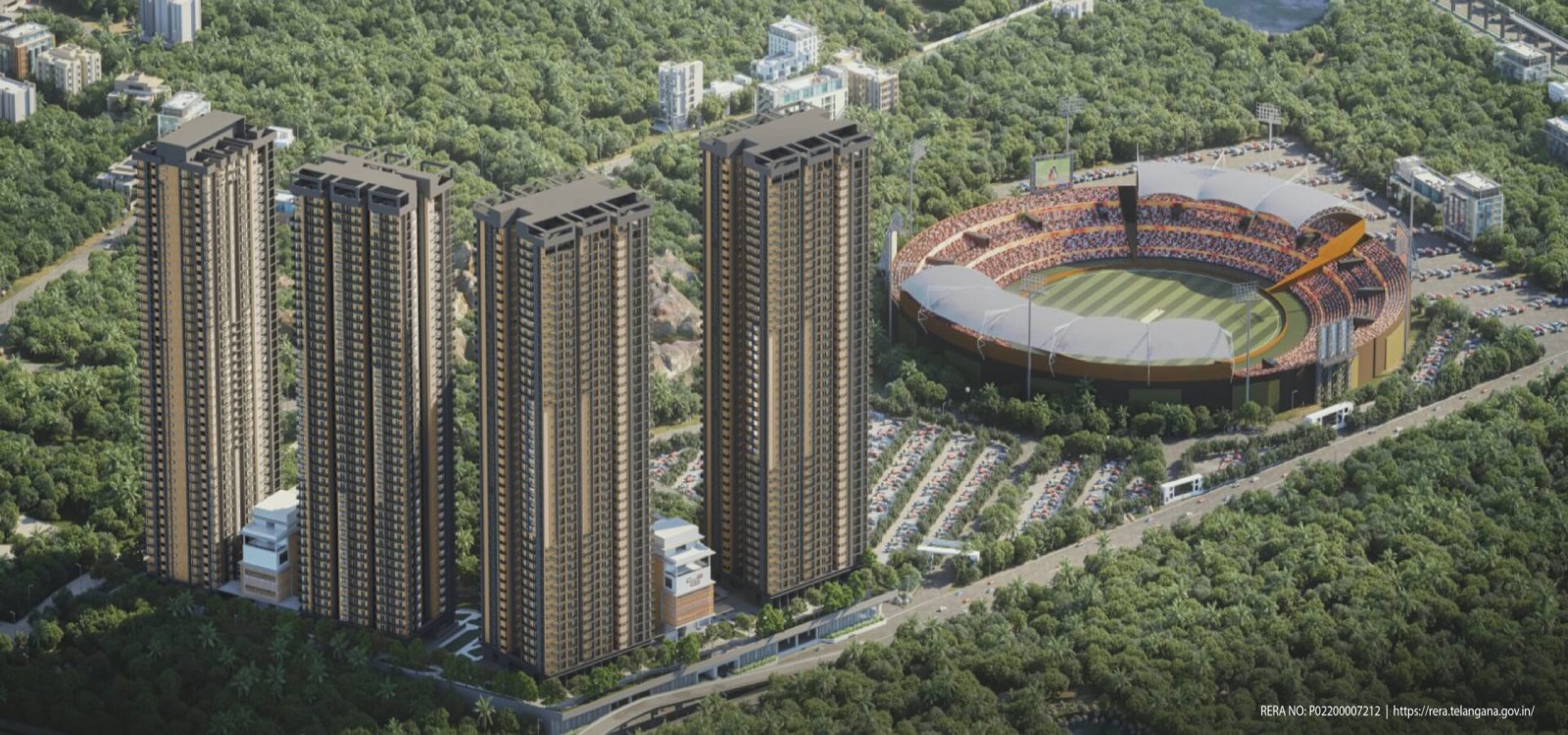
Economic Balance: This mix of IT, research, and manufacturing creates a hybrid economy that supports sustainable residential demand. Enhanced social infrastructure, including the Rajiv Gandhi International Cricket Stadium and upcoming retail developments, makes the area increasingly attractive for high-skilled professionals — adding long-term resilience to the housing market.
Culture, Lifestyle, and Livability
Infrastructure alone doesn’t define a city’s success. East Hyderabad offers a blend of culture and lifestyle destinations—from Ramoji Film City to the spiritual center of Yadadri and the Pochampally handloom cluster. This combination makes East Hyderabad increasingly attractive to families and professionals.
Our Perspective on Hyderabad’s Growth
As builders who have closely tracked Hyderabad’s evolution, we believe infrastructure-led growth creates the strongest foundations for residential development. We align our developments with the city’s long-term infrastructure vision, building alongside progress in locations that grow stronger as new roads, metro lines, and connectivity projects take shape.
How We Have Contributed to Hyderabad’s Infrastructure-Led Growth
Our contribution goes beyond constructing homes. We actively participate in shaping well-planned residential environments that complement the city’s infrastructure expansion. From developing projects in emerging corridors to supporting better internal road planning and utilities, we ensure our projects integrate seamlessly with the city’s mobility network.
We focus on responsible urban development—efficient land use, sustainable construction practices, and thoughtfully designed communities that reduce daily travel stress. Our developments have helped activate neighborhoods, encouraging better civic amenities and smoother connectivity.
At NSL Infratech, we see ourselves as long-term partners in Hyderabad’s growth story. As the city expands eastward and new infrastructure corridors take shape, our role is to translate that progress into meaningful, future-ready homes for residents.
Conclusion: Building for the Future
Hyderabad’s infrastructure boom is redefining home values across the city, with East Hyderabad emerging as a powerful growth engine. Flyovers, highways, rail hubs, and metro networks are not just improving mobility, they are shaping the future of urban living.
At NSL Infratech, we see this phase as an opportunity to build responsibly, thoughtfully, and for the long term. If you are looking to own a home in a location driven by infrastructure and future potential, explore our projects at NSL Infratech and take the next step toward a well-connected future.

Leave a comment
Be the first to comment